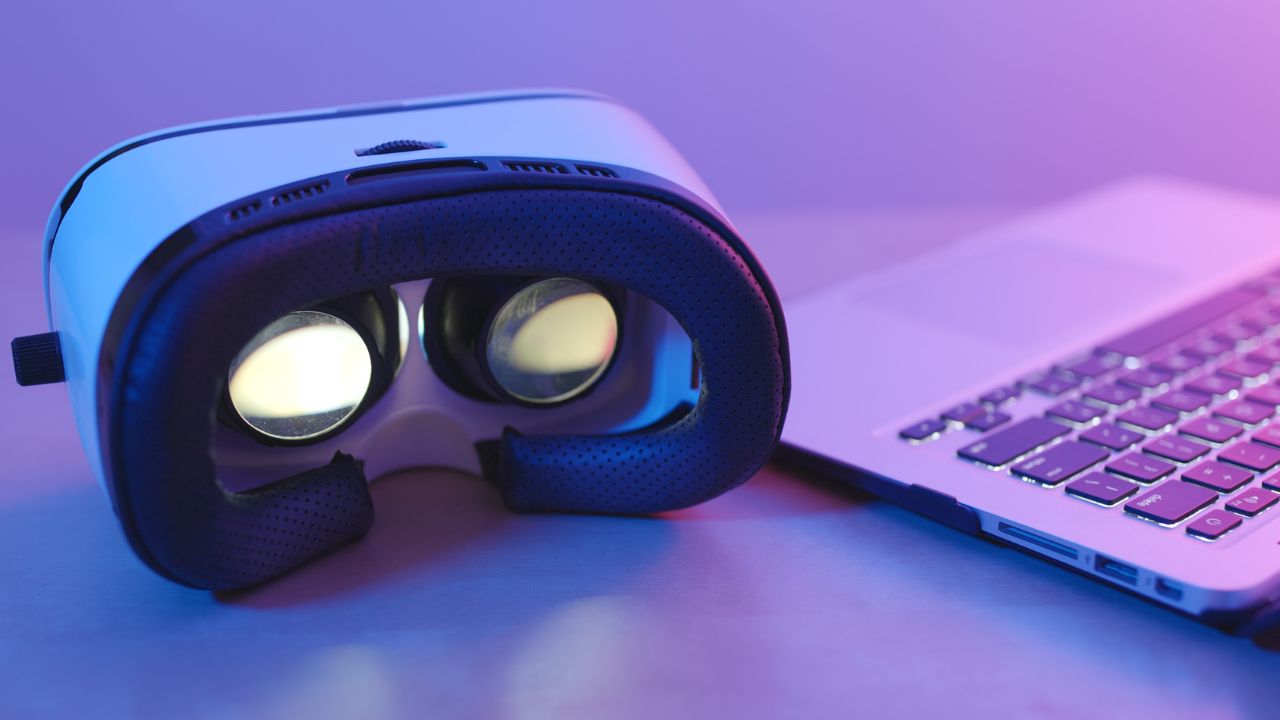
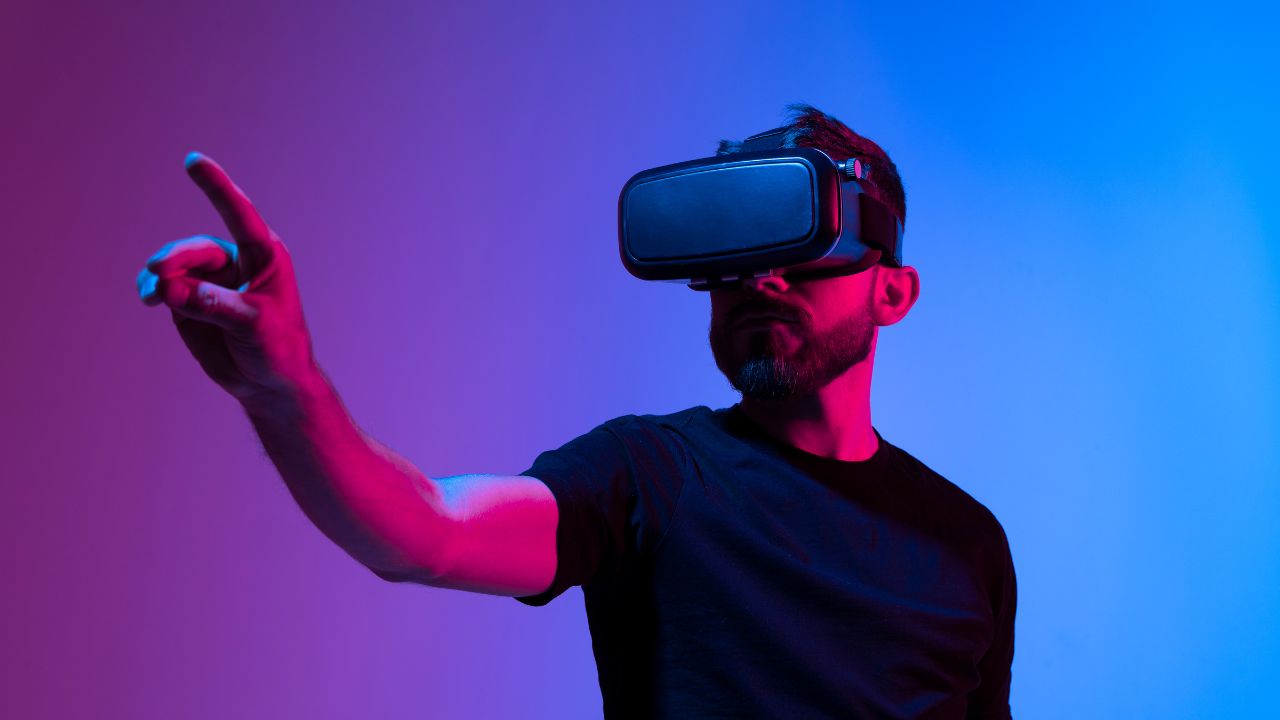
The Metaverse is an increasingly near future that brings new opportunities, but at the same time it brings new risks and threats, such as data protection and privacy.
Netgroup supports companies and governments to move cautiously in this new environment.
The Metaverse is the evolution of the Internet toward a single virtual and immersive world, facilitated by the use of virtual reality (VR) headsets/viewers and augmented reality (AR) devices.
It is presented as a network of 3D virtual worlds centered and interconnected with each other, in fact it is often related to the advancement of virtual reality technology because of the growing need to experience an interactive 3D space.
This condition sees the influence of Web3, a concept of decentralized Internet interaction. Web3 and Metaverse become synonymous with advances in the development of new technologies and projects to populate the space to come beyond the Internet.
As Netgroup’s IT Application Development expert Angelo Falvo explains, Web 3.0, dubbed “phygital,” combines physical and digital elements, integrating AR, VR, 5G, AI and Blockchain to create a three-dimensional universe. This new concept differs from its predecessors, with Web 1 based on static pages and Web 2 geared toward smartphones and two-dimensional content. Web 3.0 aims to provide immersive, three-dimensional experiences, transforming the Internet into a true living space.
FUTURE
Metaverse: between challenges and potential
Initial clarity is crucial: at present, a universal Metaverse is not yet an established reality. Despite significant investments in recent years, such as those made by Mark Zuckerberg’s Meta, progress has been limited. Many resources have been diverted to other areas, such as Artificial Intelligence, recognizing the competitive challenge inherent in the Metaverse.
The fate on this remains uncertain. According to Grand View Research’s most recent report (September 2023), the global Metaverse market is expected to reach $936.6 billion by 2030. The main driver is growing demand in the media and entertainment, education, aerospace and defense sectors.
While some have doubts about its sustainability, others still see great potential for development, despite the high cost of the tools and limited user interaction with this technology. However, many are optimistic about the prospect of transformation, even of everyday activities, in this new digital universe.
NET POV
THE RISKS OF THE METAVERSE: PRIVACY
All the core technologies that make the Metaverse possible-such as VR, AR, 5G, AI and Blockchain-raise issues of privacy and data security. According to a report by Agora, one-third of developers believe these are the biggest obstacles the Metaverse must overcome. Another report from Gartner states that “75 percent of all organizations will restructure risk and security management for digital transformation due to the implosion of cybersecurity threats, insider activity, and increased attack surfaces and vulnerabilities.”
Experts such as Ferdinando Formisano highlight the risks of Web 3.0 for privacy and corporate data. Data security becomes a priority.
Appropriate protection measures and digital education initiatives for users are needed. Companies must adopt strict practices and authorities develop appropriate regulations. Goal: a secure Web 3.0 for all.
The Metaverse presents a number of challenges in this context, including identity theft, phishing, intellectual property damage, privacy threats, and software vulnerabilities. It is crucial that companies and developers understand the ethical and social implications of their innovations and are committed to creating balanced and inclusive solutions for all.